All that is required to teach English in South America is a degree and a TESOL Certification, such as: TESOL Australia’s exclusive International TESOL Certificate.
Start your journey today!
Studying a TESOL certificate and teaching English in South America promises an enriching and transformative experience. With its vibrant cultures, warm communities, and stunning landscapes, South America offers an ideal setting to embark on a rewarding teaching journey. By getting qualified, you’ll equip yourself with the skills and confidence needed to make a meaningful impact in the lives of eager learners while immersing yourself in diverse cultural experiences.
Whether you’re drawn to the bustling streets of Buenos Aires, the breathtaking landscapes of Peru, or the vibrant culture of Colombia, teaching English in South America opens doors to adventure, personal growth, and cross-cultural exchange. Embrace the opportunity to inspire, connect, and contribute to the global community while embarking on an unforgettable adventure in the heart of South America.
South American cuisine is a tantalizing fusion of flavours, colours, and traditions that reflects the continent’s rich cultural tapestry. From the succulent steaks of Argentina’s parrillas to the spicy ceviche of Peru’s coastal shores, each region boasts its own culinary delights. Vibrant markets brim with exotic fruits like maracuyá and chirimoya, while street vendors tempt passersby with savoury empanadas and sweet churros. The heart and soul of South American food is in its emphasis on fresh, locally sourced ingredients and communal dining experiences. Whether savouring a traditional Brazilian feijoada or indulging in Ecuadorian llapingachos, every dish tells a story of heritage, passion, and the shared joy of breaking bread together.
Hiking in green tropical forest, Costa Rica
Qualifications
All that is required to teach English in South America is a degree and a TESOL Certification, such as: TESOL Australia’s exclusive International TESOL Certificate.
Start your journey today!
Studying a TESOL certificate and teaching English in South America promises an enriching and transformative experience. With its vibrant cultures, warm communities, and stunning landscapes, South America offers an ideal setting to embark on a rewarding teaching journey. By getting qualified, you’ll equip yourself with the skills and confidence needed to make a meaningful impact in the lives of eager learners while immersing yourself in diverse cultural experiences.
Whether you’re drawn to the bustling streets of Buenos Aires, the breathtaking landscapes of Peru, or the vibrant culture of Colombia, teaching English in South America opens doors to adventure, personal growth, and cross-cultural exchange. Embrace the opportunity to inspire, connect, and contribute to the global community while embarking on an unforgettable adventure in the heart of South America.
Despite facing challenges, South Americans possess a resilient spirit and an unwavering optimism, finding joy in the simple pleasures of everyday life and cherishing moments of connection with others. From the sultry rhythms of salsa in Colombia to the tranquil shores of Lake Titicaca, South America’s cultural diversity and vibrant attitude to life continue to captivate and inspire people around the globe. One thing they all have in common is their love of football (soccer). If you visit during a World Cup, you’ll be in for a treat.
Ceviche dish, Peru
South American Food
South American cuisine is a tantalizing fusion of flavours, colours, and traditions that reflects the continent’s rich cultural tapestry. From the succulent steaks of Argentina’s parrillas to the spicy ceviche of Peru’s coastal shores, each region boasts its own culinary delights. Vibrant markets brim with exotic fruits like maracuyá and chirimoya, while street vendors tempt passersby with savoury empanadas and sweet churros. The heart and soul of South American food is in its emphasis on fresh, locally sourced ingredients and communal dining experiences. Whether savouring a traditional Brazilian feijoada or indulging in Ecuadorian llapingachos, every dish tells a story of heritage, passion, and the shared joy of breaking bread together.
Hiking in green tropical forest, Costa Rica
Qualifications
All that is required to teach English in South America is a degree and a TESOL Certification, such as: TESOL Australia’s exclusive International TESOL Certificate.
Start your journey today!
Studying a TESOL certificate and teaching English in South America promises an enriching and transformative experience. With its vibrant cultures, warm communities, and stunning landscapes, South America offers an ideal setting to embark on a rewarding teaching journey. By getting qualified, you’ll equip yourself with the skills and confidence needed to make a meaningful impact in the lives of eager learners while immersing yourself in diverse cultural experiences.
Whether you’re drawn to the bustling streets of Buenos Aires, the breathtaking landscapes of Peru, or the vibrant culture of Colombia, teaching English in South America opens doors to adventure, personal growth, and cross-cultural exchange. Embrace the opportunity to inspire, connect, and contribute to the global community while embarking on an unforgettable adventure in the heart of South America.
Despite facing challenges, South Americans possess a resilient spirit and an unwavering optimism, finding joy in the simple pleasures of everyday life and cherishing moments of connection with others. From the sultry rhythms of salsa in Colombia to the tranquil shores of Lake Titicaca, South America’s cultural diversity and vibrant attitude to life continue to captivate and inspire people around the globe. One thing they all have in common is their love of football (soccer). If you visit during a World Cup, you’ll be in for a treat.
Ceviche dish, Peru
South American Food
South American cuisine is a tantalizing fusion of flavours, colours, and traditions that reflects the continent’s rich cultural tapestry. From the succulent steaks of Argentina’s parrillas to the spicy ceviche of Peru’s coastal shores, each region boasts its own culinary delights. Vibrant markets brim with exotic fruits like maracuyá and chirimoya, while street vendors tempt passersby with savoury empanadas and sweet churros. The heart and soul of South American food is in its emphasis on fresh, locally sourced ingredients and communal dining experiences. Whether savouring a traditional Brazilian feijoada or indulging in Ecuadorian llapingachos, every dish tells a story of heritage, passion, and the shared joy of breaking bread together.
Hiking in green tropical forest, Costa Rica
Qualifications
All that is required to teach English in South America is a degree and a TESOL Certification, such as: TESOL Australia’s exclusive International TESOL Certificate.
Start your journey today!
Studying a TESOL certificate and teaching English in South America promises an enriching and transformative experience. With its vibrant cultures, warm communities, and stunning landscapes, South America offers an ideal setting to embark on a rewarding teaching journey. By getting qualified, you’ll equip yourself with the skills and confidence needed to make a meaningful impact in the lives of eager learners while immersing yourself in diverse cultural experiences.
Whether you’re drawn to the bustling streets of Buenos Aires, the breathtaking landscapes of Peru, or the vibrant culture of Colombia, teaching English in South America opens doors to adventure, personal growth, and cross-cultural exchange. Embrace the opportunity to inspire, connect, and contribute to the global community while embarking on an unforgettable adventure in the heart of South America.
In the vibrant city of Buenos Aires, Ana, an ESL teacher, starts her day with the warm embrace of the sun and the bustling energy of the streets, while sipping on her maté (traditional tea). Greeted by eager students at the language institute, her classes are filled with lively chats, interactive exercises, and laughter. During breaks, she enjoys sharing teaching insights with colleagues over empanadas at a nearby café. After guiding her students through immersive language tasks, Ana takes leisurely strolls through the city’s neighbourhoods, immersing herself in the rich culture. Evenings are spent enjoying traditional Argentine asados with friends, savouring the flavours and stories of the day. On the weekends, Ana can explore other parts of the country, such as the quaint and exciting town of Bariloche. Or, another South American country next door.
South American Culture
South American culture is a vibrant tapestry woven from a rich blend of indigenous traditions, colonial influences, and modern innovations. At its heart lies a zest for life that permeates every aspect of society. Whether savouring a steaming cup of mate in Argentina, dancing the samba in Brazil, or enjoying a leisurely siesta in Peru, South Americans embrace life with gusto and warmth. Family bonds run deep, and gatherings often revolve around food, music, and lively conversation. The region’s cultural heritage is celebrated through colourful festivals, intricate crafts, and captivating folklore, showcasing a profound connection to the land and its people.
Despite facing challenges, South Americans possess a resilient spirit and an unwavering optimism, finding joy in the simple pleasures of everyday life and cherishing moments of connection with others. From the sultry rhythms of salsa in Colombia to the tranquil shores of Lake Titicaca, South America’s cultural diversity and vibrant attitude to life continue to captivate and inspire people around the globe. One thing they all have in common is their love of football (soccer). If you visit during a World Cup, you’ll be in for a treat.
Ceviche dish, Peru
South American Food
South American cuisine is a tantalizing fusion of flavours, colours, and traditions that reflects the continent’s rich cultural tapestry. From the succulent steaks of Argentina’s parrillas to the spicy ceviche of Peru’s coastal shores, each region boasts its own culinary delights. Vibrant markets brim with exotic fruits like maracuyá and chirimoya, while street vendors tempt passersby with savoury empanadas and sweet churros. The heart and soul of South American food is in its emphasis on fresh, locally sourced ingredients and communal dining experiences. Whether savouring a traditional Brazilian feijoada or indulging in Ecuadorian llapingachos, every dish tells a story of heritage, passion, and the shared joy of breaking bread together.
Hiking in green tropical forest, Costa Rica
Qualifications
All that is required to teach English in South America is a degree and a TESOL Certification, such as: TESOL Australia’s exclusive International TESOL Certificate.
Start your journey today!
Studying a TESOL certificate and teaching English in South America promises an enriching and transformative experience. With its vibrant cultures, warm communities, and stunning landscapes, South America offers an ideal setting to embark on a rewarding teaching journey. By getting qualified, you’ll equip yourself with the skills and confidence needed to make a meaningful impact in the lives of eager learners while immersing yourself in diverse cultural experiences.
Whether you’re drawn to the bustling streets of Buenos Aires, the breathtaking landscapes of Peru, or the vibrant culture of Colombia, teaching English in South America opens doors to adventure, personal growth, and cross-cultural exchange. Embrace the opportunity to inspire, connect, and contribute to the global community while embarking on an unforgettable adventure in the heart of South America.
In the vibrant city of Buenos Aires, Ana, an ESL teacher, starts her day with the warm embrace of the sun and the bustling energy of the streets, while sipping on her maté (traditional tea). Greeted by eager students at the language institute, her classes are filled with lively chats, interactive exercises, and laughter. During breaks, she enjoys sharing teaching insights with colleagues over empanadas at a nearby café. After guiding her students through immersive language tasks, Ana takes leisurely strolls through the city’s neighbourhoods, immersing herself in the rich culture. Evenings are spent enjoying traditional Argentine asados with friends, savouring the flavours and stories of the day. On the weekends, Ana can explore other parts of the country, such as the quaint and exciting town of Bariloche. Or, another South American country next door.
South American Culture
South American culture is a vibrant tapestry woven from a rich blend of indigenous traditions, colonial influences, and modern innovations. At its heart lies a zest for life that permeates every aspect of society. Whether savouring a steaming cup of mate in Argentina, dancing the samba in Brazil, or enjoying a leisurely siesta in Peru, South Americans embrace life with gusto and warmth. Family bonds run deep, and gatherings often revolve around food, music, and lively conversation. The region’s cultural heritage is celebrated through colourful festivals, intricate crafts, and captivating folklore, showcasing a profound connection to the land and its people.
Despite facing challenges, South Americans possess a resilient spirit and an unwavering optimism, finding joy in the simple pleasures of everyday life and cherishing moments of connection with others. From the sultry rhythms of salsa in Colombia to the tranquil shores of Lake Titicaca, South America’s cultural diversity and vibrant attitude to life continue to captivate and inspire people around the globe. One thing they all have in common is their love of football (soccer). If you visit during a World Cup, you’ll be in for a treat.
Ceviche dish, Peru
South American Food
South American cuisine is a tantalizing fusion of flavours, colours, and traditions that reflects the continent’s rich cultural tapestry. From the succulent steaks of Argentina’s parrillas to the spicy ceviche of Peru’s coastal shores, each region boasts its own culinary delights. Vibrant markets brim with exotic fruits like maracuyá and chirimoya, while street vendors tempt passersby with savoury empanadas and sweet churros. The heart and soul of South American food is in its emphasis on fresh, locally sourced ingredients and communal dining experiences. Whether savouring a traditional Brazilian feijoada or indulging in Ecuadorian llapingachos, every dish tells a story of heritage, passion, and the shared joy of breaking bread together.
Hiking in green tropical forest, Costa Rica
Qualifications
All that is required to teach English in South America is a degree and a TESOL Certification, such as: TESOL Australia’s exclusive International TESOL Certificate.
Start your journey today!
Studying a TESOL certificate and teaching English in South America promises an enriching and transformative experience. With its vibrant cultures, warm communities, and stunning landscapes, South America offers an ideal setting to embark on a rewarding teaching journey. By getting qualified, you’ll equip yourself with the skills and confidence needed to make a meaningful impact in the lives of eager learners while immersing yourself in diverse cultural experiences.
Whether you’re drawn to the bustling streets of Buenos Aires, the breathtaking landscapes of Peru, or the vibrant culture of Colombia, teaching English in South America opens doors to adventure, personal growth, and cross-cultural exchange. Embrace the opportunity to inspire, connect, and contribute to the global community while embarking on an unforgettable adventure in the heart of South America.
No degree? No problem! In South America, you can dive straight into ESL teaching based on your passion for English and teaching experience. Many language schools, tutoring centres, and volunteer programs eagerly welcome enthusiastic individuals with robust English skills, without the requirement of a bachelor’s degree. With a TESOL certificate and a can-do attitude, you’re well-equipped to kickstart an exciting ESL teaching adventure in South America, regardless of your academic background. Additionally, South America offers a supportive environment for ESL teachers to further their professional development through workshops, networking events, and cultural exchange programs. By immersing yourself in the local community and embracing new challenges, you’ll not only enhance your teaching skills but also enrich your own cultural understanding and global perspective, making your ESL teaching journey in South America truly unforgettable.
In the vibrant city of Buenos Aires, Ana, an ESL teacher, starts her day with the warm embrace of the sun and the bustling energy of the streets, while sipping on her maté (traditional tea). Greeted by eager students at the language institute, her classes are filled with lively chats, interactive exercises, and laughter. During breaks, she enjoys sharing teaching insights with colleagues over empanadas at a nearby café. After guiding her students through immersive language tasks, Ana takes leisurely strolls through the city’s neighbourhoods, immersing herself in the rich culture. Evenings are spent enjoying traditional Argentine asados with friends, savouring the flavours and stories of the day. On the weekends, Ana can explore other parts of the country, such as the quaint and exciting town of Bariloche. Or, another South American country next door.
South American Culture
South American culture is a vibrant tapestry woven from a rich blend of indigenous traditions, colonial influences, and modern innovations. At its heart lies a zest for life that permeates every aspect of society. Whether savouring a steaming cup of mate in Argentina, dancing the samba in Brazil, or enjoying a leisurely siesta in Peru, South Americans embrace life with gusto and warmth. Family bonds run deep, and gatherings often revolve around food, music, and lively conversation. The region’s cultural heritage is celebrated through colourful festivals, intricate crafts, and captivating folklore, showcasing a profound connection to the land and its people.
Despite facing challenges, South Americans possess a resilient spirit and an unwavering optimism, finding joy in the simple pleasures of everyday life and cherishing moments of connection with others. From the sultry rhythms of salsa in Colombia to the tranquil shores of Lake Titicaca, South America’s cultural diversity and vibrant attitude to life continue to captivate and inspire people around the globe. One thing they all have in common is their love of football (soccer). If you visit during a World Cup, you’ll be in for a treat.
Ceviche dish, Peru
South American Food
South American cuisine is a tantalizing fusion of flavours, colours, and traditions that reflects the continent’s rich cultural tapestry. From the succulent steaks of Argentina’s parrillas to the spicy ceviche of Peru’s coastal shores, each region boasts its own culinary delights. Vibrant markets brim with exotic fruits like maracuyá and chirimoya, while street vendors tempt passersby with savoury empanadas and sweet churros. The heart and soul of South American food is in its emphasis on fresh, locally sourced ingredients and communal dining experiences. Whether savouring a traditional Brazilian feijoada or indulging in Ecuadorian llapingachos, every dish tells a story of heritage, passion, and the shared joy of breaking bread together.
Hiking in green tropical forest, Costa Rica
Qualifications
All that is required to teach English in South America is a degree and a TESOL Certification, such as: TESOL Australia’s exclusive International TESOL Certificate.
Start your journey today!
Studying a TESOL certificate and teaching English in South America promises an enriching and transformative experience. With its vibrant cultures, warm communities, and stunning landscapes, South America offers an ideal setting to embark on a rewarding teaching journey. By getting qualified, you’ll equip yourself with the skills and confidence needed to make a meaningful impact in the lives of eager learners while immersing yourself in diverse cultural experiences.
Whether you’re drawn to the bustling streets of Buenos Aires, the breathtaking landscapes of Peru, or the vibrant culture of Colombia, teaching English in South America opens doors to adventure, personal growth, and cross-cultural exchange. Embrace the opportunity to inspire, connect, and contribute to the global community while embarking on an unforgettable adventure in the heart of South America.
No degree? No problem! In South America, you can dive straight into ESL teaching based on your passion for English and teaching experience. Many language schools, tutoring centres, and volunteer programs eagerly welcome enthusiastic individuals with robust English skills, without the requirement of a bachelor’s degree. With a TESOL certificate and a can-do attitude, you’re well-equipped to kickstart an exciting ESL teaching adventure in South America, regardless of your academic background. Additionally, South America offers a supportive environment for ESL teachers to further their professional development through workshops, networking events, and cultural exchange programs. By immersing yourself in the local community and embracing new challenges, you’ll not only enhance your teaching skills but also enrich your own cultural understanding and global perspective, making your ESL teaching journey in South America truly unforgettable.
In the vibrant city of Buenos Aires, Ana, an ESL teacher, starts her day with the warm embrace of the sun and the bustling energy of the streets, while sipping on her maté (traditional tea). Greeted by eager students at the language institute, her classes are filled with lively chats, interactive exercises, and laughter. During breaks, she enjoys sharing teaching insights with colleagues over empanadas at a nearby café. After guiding her students through immersive language tasks, Ana takes leisurely strolls through the city’s neighbourhoods, immersing herself in the rich culture. Evenings are spent enjoying traditional Argentine asados with friends, savouring the flavours and stories of the day. On the weekends, Ana can explore other parts of the country, such as the quaint and exciting town of Bariloche. Or, another South American country next door.
South American Culture
South American culture is a vibrant tapestry woven from a rich blend of indigenous traditions, colonial influences, and modern innovations. At its heart lies a zest for life that permeates every aspect of society. Whether savouring a steaming cup of mate in Argentina, dancing the samba in Brazil, or enjoying a leisurely siesta in Peru, South Americans embrace life with gusto and warmth. Family bonds run deep, and gatherings often revolve around food, music, and lively conversation. The region’s cultural heritage is celebrated through colourful festivals, intricate crafts, and captivating folklore, showcasing a profound connection to the land and its people.
Despite facing challenges, South Americans possess a resilient spirit and an unwavering optimism, finding joy in the simple pleasures of everyday life and cherishing moments of connection with others. From the sultry rhythms of salsa in Colombia to the tranquil shores of Lake Titicaca, South America’s cultural diversity and vibrant attitude to life continue to captivate and inspire people around the globe. One thing they all have in common is their love of football (soccer). If you visit during a World Cup, you’ll be in for a treat.
Ceviche dish, Peru
South American Food
South American cuisine is a tantalizing fusion of flavours, colours, and traditions that reflects the continent’s rich cultural tapestry. From the succulent steaks of Argentina’s parrillas to the spicy ceviche of Peru’s coastal shores, each region boasts its own culinary delights. Vibrant markets brim with exotic fruits like maracuyá and chirimoya, while street vendors tempt passersby with savoury empanadas and sweet churros. The heart and soul of South American food is in its emphasis on fresh, locally sourced ingredients and communal dining experiences. Whether savouring a traditional Brazilian feijoada or indulging in Ecuadorian llapingachos, every dish tells a story of heritage, passion, and the shared joy of breaking bread together.
Hiking in green tropical forest, Costa Rica
Qualifications
All that is required to teach English in South America is a degree and a TESOL Certification, such as: TESOL Australia’s exclusive International TESOL Certificate.
Start your journey today!
Studying a TESOL certificate and teaching English in South America promises an enriching and transformative experience. With its vibrant cultures, warm communities, and stunning landscapes, South America offers an ideal setting to embark on a rewarding teaching journey. By getting qualified, you’ll equip yourself with the skills and confidence needed to make a meaningful impact in the lives of eager learners while immersing yourself in diverse cultural experiences.
Whether you’re drawn to the bustling streets of Buenos Aires, the breathtaking landscapes of Peru, or the vibrant culture of Colombia, teaching English in South America opens doors to adventure, personal growth, and cross-cultural exchange. Embrace the opportunity to inspire, connect, and contribute to the global community while embarking on an unforgettable adventure in the heart of South America.
Torres del Paine National Park in Patagonia, Chile
No Degree? No Problem!
No degree? No problem! In South America, you can dive straight into ESL teaching based on your passion for English and teaching experience. Many language schools, tutoring centres, and volunteer programs eagerly welcome enthusiastic individuals with robust English skills, without the requirement of a bachelor’s degree. With a TESOL certificate and a can-do attitude, you’re well-equipped to kickstart an exciting ESL teaching adventure in South America, regardless of your academic background. Additionally, South America offers a supportive environment for ESL teachers to further their professional development through workshops, networking events, and cultural exchange programs. By immersing yourself in the local community and embracing new challenges, you’ll not only enhance your teaching skills but also enrich your own cultural understanding and global perspective, making your ESL teaching journey in South America truly unforgettable.
In the vibrant city of Buenos Aires, Ana, an ESL teacher, starts her day with the warm embrace of the sun and the bustling energy of the streets, while sipping on her maté (traditional tea). Greeted by eager students at the language institute, her classes are filled with lively chats, interactive exercises, and laughter. During breaks, she enjoys sharing teaching insights with colleagues over empanadas at a nearby café. After guiding her students through immersive language tasks, Ana takes leisurely strolls through the city’s neighbourhoods, immersing herself in the rich culture. Evenings are spent enjoying traditional Argentine asados with friends, savouring the flavours and stories of the day. On the weekends, Ana can explore other parts of the country, such as the quaint and exciting town of Bariloche. Or, another South American country next door.
South American Culture
South American culture is a vibrant tapestry woven from a rich blend of indigenous traditions, colonial influences, and modern innovations. At its heart lies a zest for life that permeates every aspect of society. Whether savouring a steaming cup of mate in Argentina, dancing the samba in Brazil, or enjoying a leisurely siesta in Peru, South Americans embrace life with gusto and warmth. Family bonds run deep, and gatherings often revolve around food, music, and lively conversation. The region’s cultural heritage is celebrated through colourful festivals, intricate crafts, and captivating folklore, showcasing a profound connection to the land and its people.
Despite facing challenges, South Americans possess a resilient spirit and an unwavering optimism, finding joy in the simple pleasures of everyday life and cherishing moments of connection with others. From the sultry rhythms of salsa in Colombia to the tranquil shores of Lake Titicaca, South America’s cultural diversity and vibrant attitude to life continue to captivate and inspire people around the globe. One thing they all have in common is their love of football (soccer). If you visit during a World Cup, you’ll be in for a treat.
Ceviche dish, Peru
South American Food
South American cuisine is a tantalizing fusion of flavours, colours, and traditions that reflects the continent’s rich cultural tapestry. From the succulent steaks of Argentina’s parrillas to the spicy ceviche of Peru’s coastal shores, each region boasts its own culinary delights. Vibrant markets brim with exotic fruits like maracuyá and chirimoya, while street vendors tempt passersby with savoury empanadas and sweet churros. The heart and soul of South American food is in its emphasis on fresh, locally sourced ingredients and communal dining experiences. Whether savouring a traditional Brazilian feijoada or indulging in Ecuadorian llapingachos, every dish tells a story of heritage, passion, and the shared joy of breaking bread together.
Hiking in green tropical forest, Costa Rica
Qualifications
All that is required to teach English in South America is a degree and a TESOL Certification, such as: TESOL Australia’s exclusive International TESOL Certificate.
Start your journey today!
Studying a TESOL certificate and teaching English in South America promises an enriching and transformative experience. With its vibrant cultures, warm communities, and stunning landscapes, South America offers an ideal setting to embark on a rewarding teaching journey. By getting qualified, you’ll equip yourself with the skills and confidence needed to make a meaningful impact in the lives of eager learners while immersing yourself in diverse cultural experiences.
Whether you’re drawn to the bustling streets of Buenos Aires, the breathtaking landscapes of Peru, or the vibrant culture of Colombia, teaching English in South America opens doors to adventure, personal growth, and cross-cultural exchange. Embrace the opportunity to inspire, connect, and contribute to the global community while embarking on an unforgettable adventure in the heart of South America.
Peru: Boasting a rich cultural heritage and diverse landscapes, offering ESL teachers the chance to explore ancient ruins, such as Machu Picchu, bustling cities, and breathtaking natural wonders while making a difference in the lives of your students. In addition to teaching, ESL teachers in Peru can marvel at archaeological wonders such as the Nazca Lines, explore the vibrant markets of Cusco, and trek the Inca Trail to reach the awe-inspiring Machu Picchu, a UNESCO World Heritage Site.
Torres del Paine National Park in Patagonia, Chile
No Degree? No Problem!
No degree? No problem! In South America, you can dive straight into ESL teaching based on your passion for English and teaching experience. Many language schools, tutoring centres, and volunteer programs eagerly welcome enthusiastic individuals with robust English skills, without the requirement of a bachelor’s degree. With a TESOL certificate and a can-do attitude, you’re well-equipped to kickstart an exciting ESL teaching adventure in South America, regardless of your academic background. Additionally, South America offers a supportive environment for ESL teachers to further their professional development through workshops, networking events, and cultural exchange programs. By immersing yourself in the local community and embracing new challenges, you’ll not only enhance your teaching skills but also enrich your own cultural understanding and global perspective, making your ESL teaching journey in South America truly unforgettable.
In the vibrant city of Buenos Aires, Ana, an ESL teacher, starts her day with the warm embrace of the sun and the bustling energy of the streets, while sipping on her maté (traditional tea). Greeted by eager students at the language institute, her classes are filled with lively chats, interactive exercises, and laughter. During breaks, she enjoys sharing teaching insights with colleagues over empanadas at a nearby café. After guiding her students through immersive language tasks, Ana takes leisurely strolls through the city’s neighbourhoods, immersing herself in the rich culture. Evenings are spent enjoying traditional Argentine asados with friends, savouring the flavours and stories of the day. On the weekends, Ana can explore other parts of the country, such as the quaint and exciting town of Bariloche. Or, another South American country next door.
South American Culture
South American culture is a vibrant tapestry woven from a rich blend of indigenous traditions, colonial influences, and modern innovations. At its heart lies a zest for life that permeates every aspect of society. Whether savouring a steaming cup of mate in Argentina, dancing the samba in Brazil, or enjoying a leisurely siesta in Peru, South Americans embrace life with gusto and warmth. Family bonds run deep, and gatherings often revolve around food, music, and lively conversation. The region’s cultural heritage is celebrated through colourful festivals, intricate crafts, and captivating folklore, showcasing a profound connection to the land and its people.
Despite facing challenges, South Americans possess a resilient spirit and an unwavering optimism, finding joy in the simple pleasures of everyday life and cherishing moments of connection with others. From the sultry rhythms of salsa in Colombia to the tranquil shores of Lake Titicaca, South America’s cultural diversity and vibrant attitude to life continue to captivate and inspire people around the globe. One thing they all have in common is their love of football (soccer). If you visit during a World Cup, you’ll be in for a treat.
Ceviche dish, Peru
South American Food
South American cuisine is a tantalizing fusion of flavours, colours, and traditions that reflects the continent’s rich cultural tapestry. From the succulent steaks of Argentina’s parrillas to the spicy ceviche of Peru’s coastal shores, each region boasts its own culinary delights. Vibrant markets brim with exotic fruits like maracuyá and chirimoya, while street vendors tempt passersby with savoury empanadas and sweet churros. The heart and soul of South American food is in its emphasis on fresh, locally sourced ingredients and communal dining experiences. Whether savouring a traditional Brazilian feijoada or indulging in Ecuadorian llapingachos, every dish tells a story of heritage, passion, and the shared joy of breaking bread together.
Hiking in green tropical forest, Costa Rica
Qualifications
All that is required to teach English in South America is a degree and a TESOL Certification, such as: TESOL Australia’s exclusive International TESOL Certificate.
Start your journey today!
Studying a TESOL certificate and teaching English in South America promises an enriching and transformative experience. With its vibrant cultures, warm communities, and stunning landscapes, South America offers an ideal setting to embark on a rewarding teaching journey. By getting qualified, you’ll equip yourself with the skills and confidence needed to make a meaningful impact in the lives of eager learners while immersing yourself in diverse cultural experiences.
Whether you’re drawn to the bustling streets of Buenos Aires, the breathtaking landscapes of Peru, or the vibrant culture of Colombia, teaching English in South America opens doors to adventure, personal growth, and cross-cultural exchange. Embrace the opportunity to inspire, connect, and contribute to the global community while embarking on an unforgettable adventure in the heart of South America.
Your role as an ESL teacher isn’t just about imparting language proficiency; it’s about fostering understanding, bridging gaps, and nurturing global citizens. Embrace the challenge, savour the adventure, and embark on a journey that will leave an indelible mark on both you and those you teach. Join the ranks of passionate educators shaping the future, one English lesson at a time, in the heart of South America.
Rio de Janeiro, Brazil
Most Popular Countries
Brazil: With its vast size, diverse population, and growing economy, Brazil offers numerous opportunities for ESL teachers. Cities like São Paulo, Rio de Janeiro, and Brasília are hubs for language learning institutions and international schools. In addition to teaching opportunities, ESL teachers in Brazil can explore iconic landmarks such as the Christ the Redeemer statue in Rio de Janeiro, the Amazon Rainforest, and the vibrant Carnival celebrations that showcase the country’s rich culture and diversity.
Argentina: Known for its rich cultural heritage and vibrant cities like Buenos Aires, Argentina attracts many ESL teachers. Opportunities can be found in language institutes, schools, and private tutoring. ESL teachers in Argentina can indulge in the nation’s passion for football by attending matches at iconic stadiums like La Bombonera or El Monumental. They can also immerse themselves in the tango culture by taking dance lessons in Buenos Aires, the birthplace of this sensual dance form.
Chile: With its stable economy and strong demand for English proficiency, Chile is a popular destination for ESL teachers. Santiago, the capital, and other major cities offer opportunities in language schools, universities, and private tutoring. Beyond teaching, ESL teachers in Chile have the opportunity to explore the stunning landscapes of the Atacama Desert, the picturesque vineyards of the Colchagua Valley, and the breathtaking Patagonian wilderness, offering unparalleled outdoor adventures.
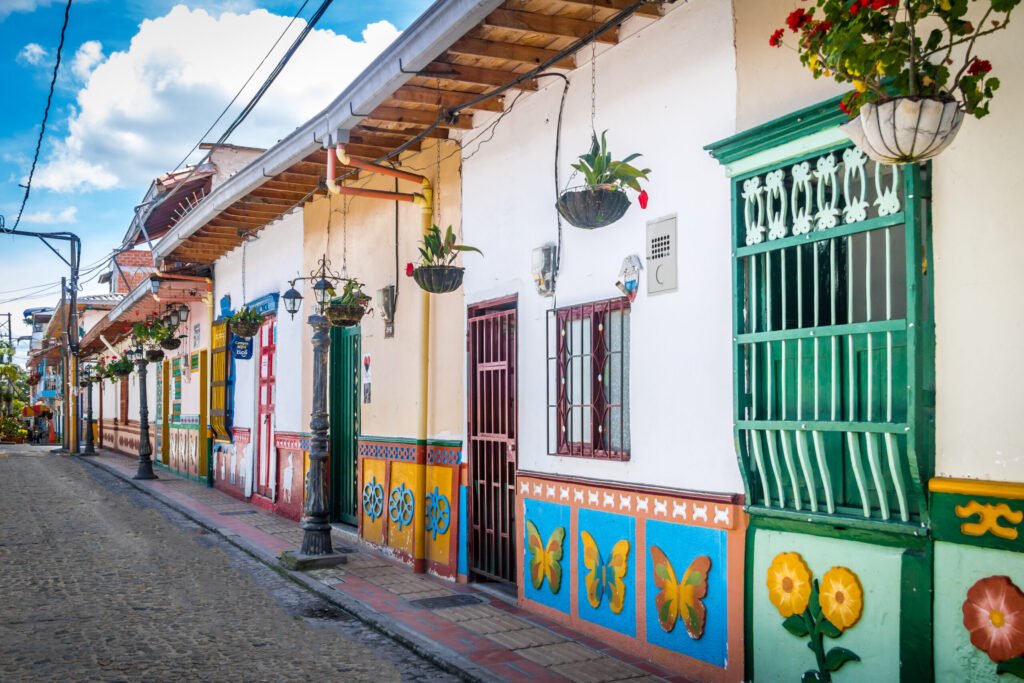
Colombia: Colombia’s improving economy, warm climate, and welcoming culture make it an attractive destination for ESL teachers. Cities like Bogotá, Medellín, and Cartagena have a growing demand for English instruction in schools, language centres, and businesses. ESL teachers in Colombia can explore the country’s diverse ecosystems, from the lush coffee plantations of the Zona Cafetera to the Caribbean beaches of Cartagena. They can also visit historic sites such as the walled city of Cartagena and the Salt Cathedral of Zipaquirá.
Ecuador: Known for its stunning natural beauty and affordable living costs, Ecuador is gaining popularity among ESL teachers. Cities like Quito and Cuenca offer opportunities in language schools, universities, and volunteer programs. ESL teachers in Ecuador can embark on once-in-a-lifetime adventures such as hiking the Cotopaxi volcano, exploring the Galápagos Islands’ unique wildlife, and experiencing indigenous cultures in the Andean highlands.
Peru: Boasting a rich cultural heritage and diverse landscapes, offering ESL teachers the chance to explore ancient ruins, such as Machu Picchu, bustling cities, and breathtaking natural wonders while making a difference in the lives of your students. In addition to teaching, ESL teachers in Peru can marvel at archaeological wonders such as the Nazca Lines, explore the vibrant markets of Cusco, and trek the Inca Trail to reach the awe-inspiring Machu Picchu, a UNESCO World Heritage Site.
Torres del Paine National Park in Patagonia, Chile
No Degree? No Problem!
No degree? No problem! In South America, you can dive straight into ESL teaching based on your passion for English and teaching experience. Many language schools, tutoring centres, and volunteer programs eagerly welcome enthusiastic individuals with robust English skills, without the requirement of a bachelor’s degree. With a TESOL certificate and a can-do attitude, you’re well-equipped to kickstart an exciting ESL teaching adventure in South America, regardless of your academic background. Additionally, South America offers a supportive environment for ESL teachers to further their professional development through workshops, networking events, and cultural exchange programs. By immersing yourself in the local community and embracing new challenges, you’ll not only enhance your teaching skills but also enrich your own cultural understanding and global perspective, making your ESL teaching journey in South America truly unforgettable.
In the vibrant city of Buenos Aires, Ana, an ESL teacher, starts her day with the warm embrace of the sun and the bustling energy of the streets, while sipping on her maté (traditional tea). Greeted by eager students at the language institute, her classes are filled with lively chats, interactive exercises, and laughter. During breaks, she enjoys sharing teaching insights with colleagues over empanadas at a nearby café. After guiding her students through immersive language tasks, Ana takes leisurely strolls through the city’s neighbourhoods, immersing herself in the rich culture. Evenings are spent enjoying traditional Argentine asados with friends, savouring the flavours and stories of the day. On the weekends, Ana can explore other parts of the country, such as the quaint and exciting town of Bariloche. Or, another South American country next door.
South American Culture
South American culture is a vibrant tapestry woven from a rich blend of indigenous traditions, colonial influences, and modern innovations. At its heart lies a zest for life that permeates every aspect of society. Whether savouring a steaming cup of mate in Argentina, dancing the samba in Brazil, or enjoying a leisurely siesta in Peru, South Americans embrace life with gusto and warmth. Family bonds run deep, and gatherings often revolve around food, music, and lively conversation. The region’s cultural heritage is celebrated through colourful festivals, intricate crafts, and captivating folklore, showcasing a profound connection to the land and its people.
Despite facing challenges, South Americans possess a resilient spirit and an unwavering optimism, finding joy in the simple pleasures of everyday life and cherishing moments of connection with others. From the sultry rhythms of salsa in Colombia to the tranquil shores of Lake Titicaca, South America’s cultural diversity and vibrant attitude to life continue to captivate and inspire people around the globe. One thing they all have in common is their love of football (soccer). If you visit during a World Cup, you’ll be in for a treat.
Ceviche dish, Peru
South American Food
South American cuisine is a tantalizing fusion of flavours, colours, and traditions that reflects the continent’s rich cultural tapestry. From the succulent steaks of Argentina’s parrillas to the spicy ceviche of Peru’s coastal shores, each region boasts its own culinary delights. Vibrant markets brim with exotic fruits like maracuyá and chirimoya, while street vendors tempt passersby with savoury empanadas and sweet churros. The heart and soul of South American food is in its emphasis on fresh, locally sourced ingredients and communal dining experiences. Whether savouring a traditional Brazilian feijoada or indulging in Ecuadorian llapingachos, every dish tells a story of heritage, passion, and the shared joy of breaking bread together.
Hiking in green tropical forest, Costa Rica
Qualifications
All that is required to teach English in South America is a degree and a TESOL Certification, such as: TESOL Australia’s exclusive International TESOL Certificate.
Start your journey today!
Studying a TESOL certificate and teaching English in South America promises an enriching and transformative experience. With its vibrant cultures, warm communities, and stunning landscapes, South America offers an ideal setting to embark on a rewarding teaching journey. By getting qualified, you’ll equip yourself with the skills and confidence needed to make a meaningful impact in the lives of eager learners while immersing yourself in diverse cultural experiences.
Whether you’re drawn to the bustling streets of Buenos Aires, the breathtaking landscapes of Peru, or the vibrant culture of Colombia, teaching English in South America opens doors to adventure, personal growth, and cross-cultural exchange. Embrace the opportunity to inspire, connect, and contribute to the global community while embarking on an unforgettable adventure in the heart of South America.
Your role as an ESL teacher isn’t just about imparting language proficiency; it’s about fostering understanding, bridging gaps, and nurturing global citizens. Embrace the challenge, savour the adventure, and embark on a journey that will leave an indelible mark on both you and those you teach. Join the ranks of passionate educators shaping the future, one English lesson at a time, in the heart of South America.
Rio de Janeiro, Brazil
Most Popular Countries
Brazil: With its vast size, diverse population, and growing economy, Brazil offers numerous opportunities for ESL teachers. Cities like São Paulo, Rio de Janeiro, and Brasília are hubs for language learning institutions and international schools. In addition to teaching opportunities, ESL teachers in Brazil can explore iconic landmarks such as the Christ the Redeemer statue in Rio de Janeiro, the Amazon Rainforest, and the vibrant Carnival celebrations that showcase the country’s rich culture and diversity.
Argentina: Known for its rich cultural heritage and vibrant cities like Buenos Aires, Argentina attracts many ESL teachers. Opportunities can be found in language institutes, schools, and private tutoring. ESL teachers in Argentina can indulge in the nation’s passion for football by attending matches at iconic stadiums like La Bombonera or El Monumental. They can also immerse themselves in the tango culture by taking dance lessons in Buenos Aires, the birthplace of this sensual dance form.
Chile: With its stable economy and strong demand for English proficiency, Chile is a popular destination for ESL teachers. Santiago, the capital, and other major cities offer opportunities in language schools, universities, and private tutoring. Beyond teaching, ESL teachers in Chile have the opportunity to explore the stunning landscapes of the Atacama Desert, the picturesque vineyards of the Colchagua Valley, and the breathtaking Patagonian wilderness, offering unparalleled outdoor adventures.
Colombia: Colombia’s improving economy, warm climate, and welcoming culture make it an attractive destination for ESL teachers. Cities like Bogotá, Medellín, and Cartagena have a growing demand for English instruction in schools, language centres, and businesses. ESL teachers in Colombia can explore the country’s diverse ecosystems, from the lush coffee plantations of the Zona Cafetera to the Caribbean beaches of Cartagena. They can also visit historic sites such as the walled city of Cartagena and the Salt Cathedral of Zipaquirá.
Ecuador: Known for its stunning natural beauty and affordable living costs, Ecuador is gaining popularity among ESL teachers. Cities like Quito and Cuenca offer opportunities in language schools, universities, and volunteer programs. ESL teachers in Ecuador can embark on once-in-a-lifetime adventures such as hiking the Cotopaxi volcano, exploring the Galápagos Islands’ unique wildlife, and experiencing indigenous cultures in the Andean highlands.
Peru: Boasting a rich cultural heritage and diverse landscapes, offering ESL teachers the chance to explore ancient ruins, such as Machu Picchu, bustling cities, and breathtaking natural wonders while making a difference in the lives of your students. In addition to teaching, ESL teachers in Peru can marvel at archaeological wonders such as the Nazca Lines, explore the vibrant markets of Cusco, and trek the Inca Trail to reach the awe-inspiring Machu Picchu, a UNESCO World Heritage Site.
Torres del Paine National Park in Patagonia, Chile
No Degree? No Problem!
No degree? No problem! In South America, you can dive straight into ESL teaching based on your passion for English and teaching experience. Many language schools, tutoring centres, and volunteer programs eagerly welcome enthusiastic individuals with robust English skills, without the requirement of a bachelor’s degree. With a TESOL certificate and a can-do attitude, you’re well-equipped to kickstart an exciting ESL teaching adventure in South America, regardless of your academic background. Additionally, South America offers a supportive environment for ESL teachers to further their professional development through workshops, networking events, and cultural exchange programs. By immersing yourself in the local community and embracing new challenges, you’ll not only enhance your teaching skills but also enrich your own cultural understanding and global perspective, making your ESL teaching journey in South America truly unforgettable.
In the vibrant city of Buenos Aires, Ana, an ESL teacher, starts her day with the warm embrace of the sun and the bustling energy of the streets, while sipping on her maté (traditional tea). Greeted by eager students at the language institute, her classes are filled with lively chats, interactive exercises, and laughter. During breaks, she enjoys sharing teaching insights with colleagues over empanadas at a nearby café. After guiding her students through immersive language tasks, Ana takes leisurely strolls through the city’s neighbourhoods, immersing herself in the rich culture. Evenings are spent enjoying traditional Argentine asados with friends, savouring the flavours and stories of the day. On the weekends, Ana can explore other parts of the country, such as the quaint and exciting town of Bariloche. Or, another South American country next door.
South American Culture
South American culture is a vibrant tapestry woven from a rich blend of indigenous traditions, colonial influences, and modern innovations. At its heart lies a zest for life that permeates every aspect of society. Whether savouring a steaming cup of mate in Argentina, dancing the samba in Brazil, or enjoying a leisurely siesta in Peru, South Americans embrace life with gusto and warmth. Family bonds run deep, and gatherings often revolve around food, music, and lively conversation. The region’s cultural heritage is celebrated through colourful festivals, intricate crafts, and captivating folklore, showcasing a profound connection to the land and its people.
Despite facing challenges, South Americans possess a resilient spirit and an unwavering optimism, finding joy in the simple pleasures of everyday life and cherishing moments of connection with others. From the sultry rhythms of salsa in Colombia to the tranquil shores of Lake Titicaca, South America’s cultural diversity and vibrant attitude to life continue to captivate and inspire people around the globe. One thing they all have in common is their love of football (soccer). If you visit during a World Cup, you’ll be in for a treat.
Ceviche dish, Peru
South American Food
South American cuisine is a tantalizing fusion of flavours, colours, and traditions that reflects the continent’s rich cultural tapestry. From the succulent steaks of Argentina’s parrillas to the spicy ceviche of Peru’s coastal shores, each region boasts its own culinary delights. Vibrant markets brim with exotic fruits like maracuyá and chirimoya, while street vendors tempt passersby with savoury empanadas and sweet churros. The heart and soul of South American food is in its emphasis on fresh, locally sourced ingredients and communal dining experiences. Whether savouring a traditional Brazilian feijoada or indulging in Ecuadorian llapingachos, every dish tells a story of heritage, passion, and the shared joy of breaking bread together.
Hiking in green tropical forest, Costa Rica
Qualifications
All that is required to teach English in South America is a degree and a TESOL Certification, such as: TESOL Australia’s exclusive International TESOL Certificate.
Start your journey today!
Studying a TESOL certificate and teaching English in South America promises an enriching and transformative experience. With its vibrant cultures, warm communities, and stunning landscapes, South America offers an ideal setting to embark on a rewarding teaching journey. By getting qualified, you’ll equip yourself with the skills and confidence needed to make a meaningful impact in the lives of eager learners while immersing yourself in diverse cultural experiences.
Whether you’re drawn to the bustling streets of Buenos Aires, the breathtaking landscapes of Peru, or the vibrant culture of Colombia, teaching English in South America opens doors to adventure, personal growth, and cross-cultural exchange. Embrace the opportunity to inspire, connect, and contribute to the global community while embarking on an unforgettable adventure in the heart of South America.
Teaching English in South America offers a thrilling blend of cultural immersion, professional growth, and personal fulfilment. Embrace the opportunity to make a meaningful impact while exploring vibrant landscapes and diverse communities. From the bustling streets of Buenos Aires to the serene beaches of Brazil, you’ll encounter eager learners hungry to enhance their language skills and expand their horizons. Engage in cross-cultural exchange, forging connections that transcend borders and enrich lives.
Your role as an ESL teacher isn’t just about imparting language proficiency; it’s about fostering understanding, bridging gaps, and nurturing global citizens. Embrace the challenge, savour the adventure, and embark on a journey that will leave an indelible mark on both you and those you teach. Join the ranks of passionate educators shaping the future, one English lesson at a time, in the heart of South America.
Rio de Janeiro, Brazil
Most Popular Countries
Brazil: With its vast size, diverse population, and growing economy, Brazil offers numerous opportunities for ESL teachers. Cities like São Paulo, Rio de Janeiro, and Brasília are hubs for language learning institutions and international schools. In addition to teaching opportunities, ESL teachers in Brazil can explore iconic landmarks such as the Christ the Redeemer statue in Rio de Janeiro, the Amazon Rainforest, and the vibrant Carnival celebrations that showcase the country’s rich culture and diversity.
Argentina: Known for its rich cultural heritage and vibrant cities like Buenos Aires, Argentina attracts many ESL teachers. Opportunities can be found in language institutes, schools, and private tutoring. ESL teachers in Argentina can indulge in the nation’s passion for football by attending matches at iconic stadiums like La Bombonera or El Monumental. They can also immerse themselves in the tango culture by taking dance lessons in Buenos Aires, the birthplace of this sensual dance form.
Chile: With its stable economy and strong demand for English proficiency, Chile is a popular destination for ESL teachers. Santiago, the capital, and other major cities offer opportunities in language schools, universities, and private tutoring. Beyond teaching, ESL teachers in Chile have the opportunity to explore the stunning landscapes of the Atacama Desert, the picturesque vineyards of the Colchagua Valley, and the breathtaking Patagonian wilderness, offering unparalleled outdoor adventures.
Colombia: Colombia’s improving economy, warm climate, and welcoming culture make it an attractive destination for ESL teachers. Cities like Bogotá, Medellín, and Cartagena have a growing demand for English instruction in schools, language centres, and businesses. ESL teachers in Colombia can explore the country’s diverse ecosystems, from the lush coffee plantations of the Zona Cafetera to the Caribbean beaches of Cartagena. They can also visit historic sites such as the walled city of Cartagena and the Salt Cathedral of Zipaquirá.
Ecuador: Known for its stunning natural beauty and affordable living costs, Ecuador is gaining popularity among ESL teachers. Cities like Quito and Cuenca offer opportunities in language schools, universities, and volunteer programs. ESL teachers in Ecuador can embark on once-in-a-lifetime adventures such as hiking the Cotopaxi volcano, exploring the Galápagos Islands’ unique wildlife, and experiencing indigenous cultures in the Andean highlands.
Peru: Boasting a rich cultural heritage and diverse landscapes, offering ESL teachers the chance to explore ancient ruins, such as Machu Picchu, bustling cities, and breathtaking natural wonders while making a difference in the lives of your students. In addition to teaching, ESL teachers in Peru can marvel at archaeological wonders such as the Nazca Lines, explore the vibrant markets of Cusco, and trek the Inca Trail to reach the awe-inspiring Machu Picchu, a UNESCO World Heritage Site.
Torres del Paine National Park in Patagonia, Chile
No Degree? No Problem!
No degree? No problem! In South America, you can dive straight into ESL teaching based on your passion for English and teaching experience. Many language schools, tutoring centres, and volunteer programs eagerly welcome enthusiastic individuals with robust English skills, without the requirement of a bachelor’s degree. With a TESOL certificate and a can-do attitude, you’re well-equipped to kickstart an exciting ESL teaching adventure in South America, regardless of your academic background. Additionally, South America offers a supportive environment for ESL teachers to further their professional development through workshops, networking events, and cultural exchange programs. By immersing yourself in the local community and embracing new challenges, you’ll not only enhance your teaching skills but also enrich your own cultural understanding and global perspective, making your ESL teaching journey in South America truly unforgettable.
In the vibrant city of Buenos Aires, Ana, an ESL teacher, starts her day with the warm embrace of the sun and the bustling energy of the streets, while sipping on her maté (traditional tea). Greeted by eager students at the language institute, her classes are filled with lively chats, interactive exercises, and laughter. During breaks, she enjoys sharing teaching insights with colleagues over empanadas at a nearby café. After guiding her students through immersive language tasks, Ana takes leisurely strolls through the city’s neighbourhoods, immersing herself in the rich culture. Evenings are spent enjoying traditional Argentine asados with friends, savouring the flavours and stories of the day. On the weekends, Ana can explore other parts of the country, such as the quaint and exciting town of Bariloche. Or, another South American country next door.
South American Culture
South American culture is a vibrant tapestry woven from a rich blend of indigenous traditions, colonial influences, and modern innovations. At its heart lies a zest for life that permeates every aspect of society. Whether savouring a steaming cup of mate in Argentina, dancing the samba in Brazil, or enjoying a leisurely siesta in Peru, South Americans embrace life with gusto and warmth. Family bonds run deep, and gatherings often revolve around food, music, and lively conversation. The region’s cultural heritage is celebrated through colourful festivals, intricate crafts, and captivating folklore, showcasing a profound connection to the land and its people.
Despite facing challenges, South Americans possess a resilient spirit and an unwavering optimism, finding joy in the simple pleasures of everyday life and cherishing moments of connection with others. From the sultry rhythms of salsa in Colombia to the tranquil shores of Lake Titicaca, South America’s cultural diversity and vibrant attitude to life continue to captivate and inspire people around the globe. One thing they all have in common is their love of football (soccer). If you visit during a World Cup, you’ll be in for a treat.
Ceviche dish, Peru
South American Food
South American cuisine is a tantalizing fusion of flavours, colours, and traditions that reflects the continent’s rich cultural tapestry. From the succulent steaks of Argentina’s parrillas to the spicy ceviche of Peru’s coastal shores, each region boasts its own culinary delights. Vibrant markets brim with exotic fruits like maracuyá and chirimoya, while street vendors tempt passersby with savoury empanadas and sweet churros. The heart and soul of South American food is in its emphasis on fresh, locally sourced ingredients and communal dining experiences. Whether savouring a traditional Brazilian feijoada or indulging in Ecuadorian llapingachos, every dish tells a story of heritage, passion, and the shared joy of breaking bread together.
Hiking in green tropical forest, Costa Rica
Qualifications
All that is required to teach English in South America is a degree and a TESOL Certification, such as: TESOL Australia’s exclusive International TESOL Certificate.
Start your journey today!
Studying a TESOL certificate and teaching English in South America promises an enriching and transformative experience. With its vibrant cultures, warm communities, and stunning landscapes, South America offers an ideal setting to embark on a rewarding teaching journey. By getting qualified, you’ll equip yourself with the skills and confidence needed to make a meaningful impact in the lives of eager learners while immersing yourself in diverse cultural experiences.
Whether you’re drawn to the bustling streets of Buenos Aires, the breathtaking landscapes of Peru, or the vibrant culture of Colombia, teaching English in South America opens doors to adventure, personal growth, and cross-cultural exchange. Embrace the opportunity to inspire, connect, and contribute to the global community while embarking on an unforgettable adventure in the heart of South America.
"Thank you for all of the practical instruction throughout the course. The videos are so great and very clear. They...
Meg
International TESOL Diploma
TESOL Australia
5.0
2018-10-01T06:26:49+10:00
Meg
International TESOL Diploma
“Thank you for all of the practical instruction throughout the course. The videos are so great and very clear. They ensured I knew how to study the course properly. I’m …
https://tesolau.com/testimonials/meg/
Ross
"I am still in China, having taught English here at a University for one year and am now settled into...
Ross
Certificate IV in TESOL
TESOL Australia
5.0
2018-10-01T06:28:49+10:00
Ross
Certificate IV in TESOL
“I am still in China, having taught English here at a University for one year and am now settled into my second year with an offer to extend another year. …
https://tesolau.com/testimonials/ross/
Matteo
"The 200 hr International TESOL Certificate has been a valuable learning experience. I feel that over the duration of the...
Matteo
200hr International TESOL Certificate
TESOL Australia
5.0
2018-11-27T13:56:28+10:00
Matteo
200hr International TESOL Certificate
“The 200 hr International TESOL Certificate has been a valuable learning experience. I feel that over the duration of the course I have gained a lot of knowledge. Great material …
https://tesolau.com/testimonials/matteo/
Justin
"The course was invaluable, covering the fundamentals of teaching English as a second language. The course itself was well-designed, practical,...
Justin
200hr International TESOL Certificate
TESOL Australia
5.0
2019-07-04T11:39:52+10:00
Justin
200hr International TESOL Certificate
“The course was invaluable, covering the fundamentals of teaching English as a second language. The course itself was well-designed, practical, informative and fun!! Lynette Kim, the course instructor, was professional, …
https://tesolau.com/testimonials/justin/
Tom
“Within minutes of filling in the contact form on their Web site, I received a phone call from Lyn who...
Tom
RPL Certificate IV in TESOL
TESOL Australia
5.0
2018-10-01T06:03:10+10:00
Tom
RPL Certificate IV in TESOL
“Within minutes of filling in the contact form on their Web site, I received a phone call from Lyn who asked me about my background and said that it would …
https://tesolau.com/testimonials/tom/
Vickie
"The IELTS Teaching Certificate has enabled me to change my career path and given me the skills to gain employment...
Vickie
IELTS Teaching Certificate
TESOL Australia
5.0
2018-10-01T06:07:51+10:00
Vickie
IELTS Teaching Certificate
“The IELTS Teaching Certificate has enabled me to change my career path and given me the skills to gain employment that is both satisfying and exciting. I was very impressed …
https://tesolau.com/testimonials/vickie/
Zhara
"TESOL Australia has opened great opportunities for me and because of the training and ongoing support I have gained invaluable...
Zhara
Certificate IV in TESOL
TESOL Australia
5.0
2018-10-01T06:10:28+10:00
Zhara
Certificate IV in TESOL
“TESOL Australia has opened great opportunities for me and because of the training and ongoing support I have gained invaluable experience as an ESL teacher. I’m currently teaching international students …
https://tesolau.com/testimonials/zhara/
Renee
"The TESOL Australia Certificate IV in TESOL has been great professionally and personally. I have a completely new career I...
Renee
Certificate IV in TESOL
TESOL Australia
5.0
2018-10-01T06:12:04+10:00
Renee
Certificate IV in TESOL
“The TESOL Australia Certificate IV in TESOL has been great professionally and personally. I have a completely new career I absolutely love and will continue with for many years to …
https://tesolau.com/testimonials/renee/
Jed
"The International TESOL Diploma taught me everything I needed to know in order to become a successful teacher in the...
Jed
International TESOL Diploma
TESOL Australia
5.0
2018-10-01T06:14:16+10:00
Jed
International TESOL Diploma
“The International TESOL Diploma taught me everything I needed to know in order to become a successful teacher in the ESL industry. The integrated teaching approach struck the perfect balance …
https://tesolau.com/testimonials/jed/
Dan
"As an international education agent, we have worked with TESOL Australia on numerous projects including short-term study tours and long-term...
Dan
Education Agent
TESOL Australia
5.0
2018-10-01T06:16:10+10:00
Dan
Education Agent
“As an international education agent, we have worked with TESOL Australia on numerous projects including short-term study tours and long-term teaching programs. The teaching quality of their graduates is excellent …
https://tesolau.com/testimonials/dan/
Christina
"TESOL Australia has helped me live my dream! I can now travel and take my work with me! I've been...
Christina
200hr International TESOL Certificate
TESOL Australia
5.0
2018-10-01T06:17:32+10:00
Christina
200hr International TESOL Certificate
“TESOL Australia has helped me live my dream! I can now travel and take my work with me! I’ve been living in Mexico for two months and loving it! I …
https://tesolau.com/testimonials/christina/
Simona
"The program of the TESOL course was very comprehensive and Lynette managed to engage all of us in a very...
Simona
200hr International TESOL Certificate
TESOL Australia
5.0
2018-10-01T06:19:11+10:00
Simona
200hr International TESOL Certificate
“The program of the TESOL course was very comprehensive and Lynette managed to engage all of us in a very productive manner. We were easily able to cover the whole …
https://tesolau.com/testimonials/simona/
John
"I have just completed my TESOL Cert IV online course and I loved it. The units where fun, informative and...
John
Certificate IV in TESOL
TESOL Australia
5.0
2018-10-01T06:20:37+10:00
John
Certificate IV in TESOL
“I have just completed my TESOL Cert IV online course and I loved it. The units where fun, informative and challenging. If I got stuck on a question there would …
https://tesolau.com/testimonials/john/
Kylie
"Recently I completed a 200-Hour International TESOL course with the director of studies Ms Lynette M. Kim. She is an...
Kylie
200hr International TESOL Certificate
TESOL Australia
5.0
2018-10-01T06:22:11+10:00
Kylie
200hr International TESOL Certificate
“Recently I completed a 200-Hour International TESOL course with the director of studies Ms Lynette M. Kim. She is an excellent teacher enabling her students through sharing her vast experience …
https://tesolau.com/testimonials/kylie/
Shaune
"This is a quick note to say thank you to the TESOLAU team for all the assistance I received through...
Shaune
200hr International TESOL Certificate
TESOL Australia
5.0
2018-10-01T06:23:41+10:00
Shaune
200hr International TESOL Certificate
“This is a quick note to say thank you to the TESOLAU team for all the assistance I received through my TESOL journey (200hr International TESOL Certificate). Assignments completed and …
https://tesolau.com/testimonials/shaune/
Jonathan
"As a full time worker, I was very happy with the practical and efficient 200 hour online TESOL Certificate provided...
Jonathan
200hr International TESOL Certificate
TESOL Australia
5.0
2018-10-01T06:25:11+10:00
Jonathan
200hr International TESOL Certificate
“As a full time worker, I was very happy with the practical and efficient 200 hour online TESOL Certificate provided by TESOL Australia. They have experienced staff who assist in …